Global Asian Urbanisms
Project leaders: Heather Lee and David Ludden
Where we began at the NYU Centers for Global Asia: “Port City Environments in Global Asia.” (A research and teaching program funded by the Henry Luce Foundation, 2018-2014).
Our work on port city environments has spawned a more capacious project, “Global Asian Urbanism,” including seaport cities around the world of Asian mobility but also strategic sites of urban connectivity on overland and airplane routes that now cluster around seaports but also follow inland tracks of transport infrastructure, including ancient routes across the steppe. This project is evolving in undergraduate courses and graduate student and faculty research based in our three NYU campuses and embracing NYU global sites.
At NYU in New York, we focus on New York City in the Global Asian Urbanism project.
PROJECT PROPOSAL: New York as a Global Asia City
Asia mobility is now providing most of the population growth in New York City — more than half the city’s growth since 2010 — and also most of its added cultural and economic diversity. (More than any other demographic influence.)
With this in view, our three NYU Global Asia Centers are planning a three campus Global Asian Urbanisms program for research and teaching focusing on all the many ways that Asian mobilities shape the urban environment of New York City.
This community-based research and teaching program will form an NYU-CUNY alliance for long-term studies of Asian America in the city and many of the mingled ethnic diversities that shaping the city, where NYU has a huge Asian student population and sits in the Chinatown neighborhood, in one of Global Asia’s great urban centers, with perhaps world’s largest current urban accumulation of Global Asia social and finance capital.
We have made considerable progress in planning this project. We have NYUAD and NYUSH firmly on board and enthusiastic support from CUNY’s AAARI.
- We will have an all-day meeting with a public keynote lecture at 19 Washington Square North on 6 October to launch the project
- A sketch of our 2023-24 planning agenda appears below.
OUR 2023-24 Project Agenda
To build a foundation for a long-term research and teaching program on New York City’s Global Asian Urbanism, we plan to hold five meetings during the final year of our Luce grant (AY 2023-4).
- The first meeting — on 6 October, 2023, at 19 WSN — will include a range of current and potential GNU and New York City stakeholders, including experts to help us with a foundation funding plan.
- At four smaller meetings, we will share research findings and methodologies, ideas for program design, and practical lessons about funding.
These meetings will yield a proposal for long-term foundation funding for
- ongoing multidisciplinary longitudinal database studies and
- intensive community-based neighborhood field studies of multi-generational strategies and experiences of Global Asian urbanism.
Our program will produce
- ongoing sustained collaborative relationships among New York scholars, teachers, universities, schools, and communities and
- evolving platforms with online open access learning and research resources for for public use, for teaching in college and K-12, and for graduate training.
Formerly “New York Immigrant City,” this project now embraces “Port Cities in Global Asia” and studies of other urban areas being transformed by Asia’s globalization. It builds on a joint CAS-Tandon VIP course where students produced digital content for a student website that grew over five semesters. Now, the project focuses on Asian migrants, including those classified as Middle Eastern.
People from Asia represent the fastest growing immigrant population in the city, accounting for over half the city’s growth, since 2010, in all five boroughs, where many maintain strong Asian connections. In fact, today, more migrants are like students, not definitively permanent settlers, but rather living here conditionally, like migrant workers in the Gulf, or Ifemelu in Chimamanda Ngozi Aditchie’s Americanah. The space of the city is more complex, global, mobile, and Afro-Hispanic-Asian than when immigrants were, by official design, mostly European. “New York Migrant City” may now be a better name for the project.
New York Migrant City
This project builds on a joint CAS-Tandon VIP course where students produced digital content for a student website.
VISIT WEBSITE
The Precarious Lives of Ordinary Men
Stories from the Amsterdam City Archive
VIEW PROJECT
- September 30, 2022
Chinese New York: Book Discussion
- March 11, 2021
Mapping Coastal Environments: Homelands of Globalization
- March 4, 2020
Coastal Environments in Global Asia
- May 24, 2019
Port City Workshop
- March 7, 2019
Imperial Connections: Ports, Power, and People
- May 25, 2018
Port City Environments in Global Asia
Resources
CAPASIA
The Asian Origins of Global Capitalism: European Factories in the Indian Ocean, 1500-1800. CAPASIA aspires to construct an innovative narrative of global capitalism’s origins through an analysis of European ‘factories’ established in maritime Asia.
VISIT WEBSITE
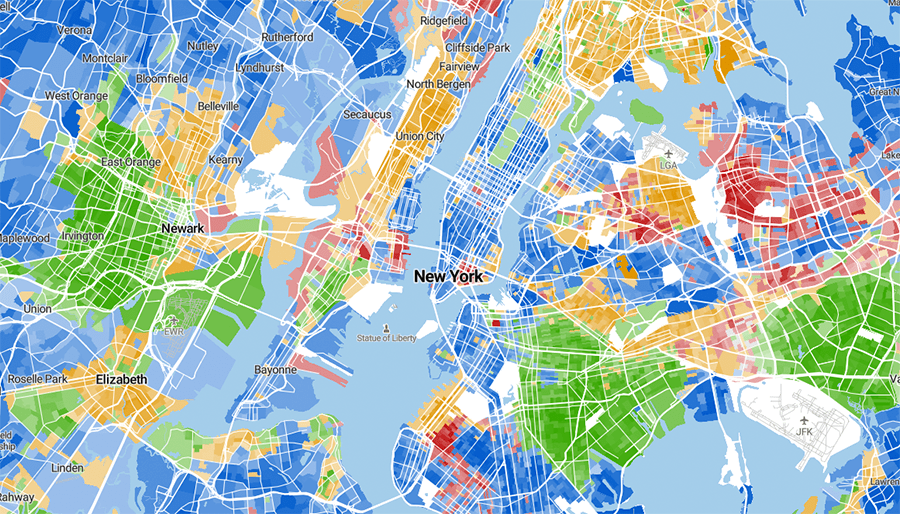
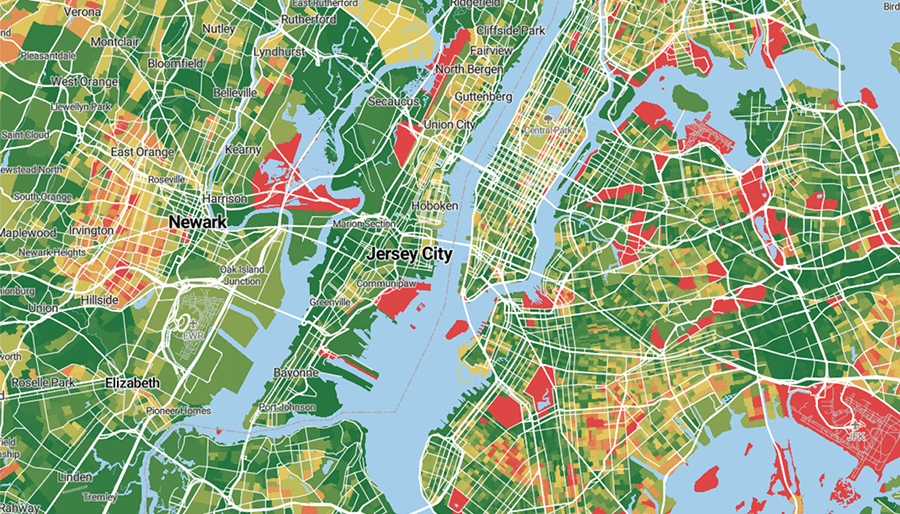
Neighborhood Census Ethnic Data
Neighborhood ethnic data
BestNeighborhood.org
Race, Diversity, and Ethnicity in New York, NY


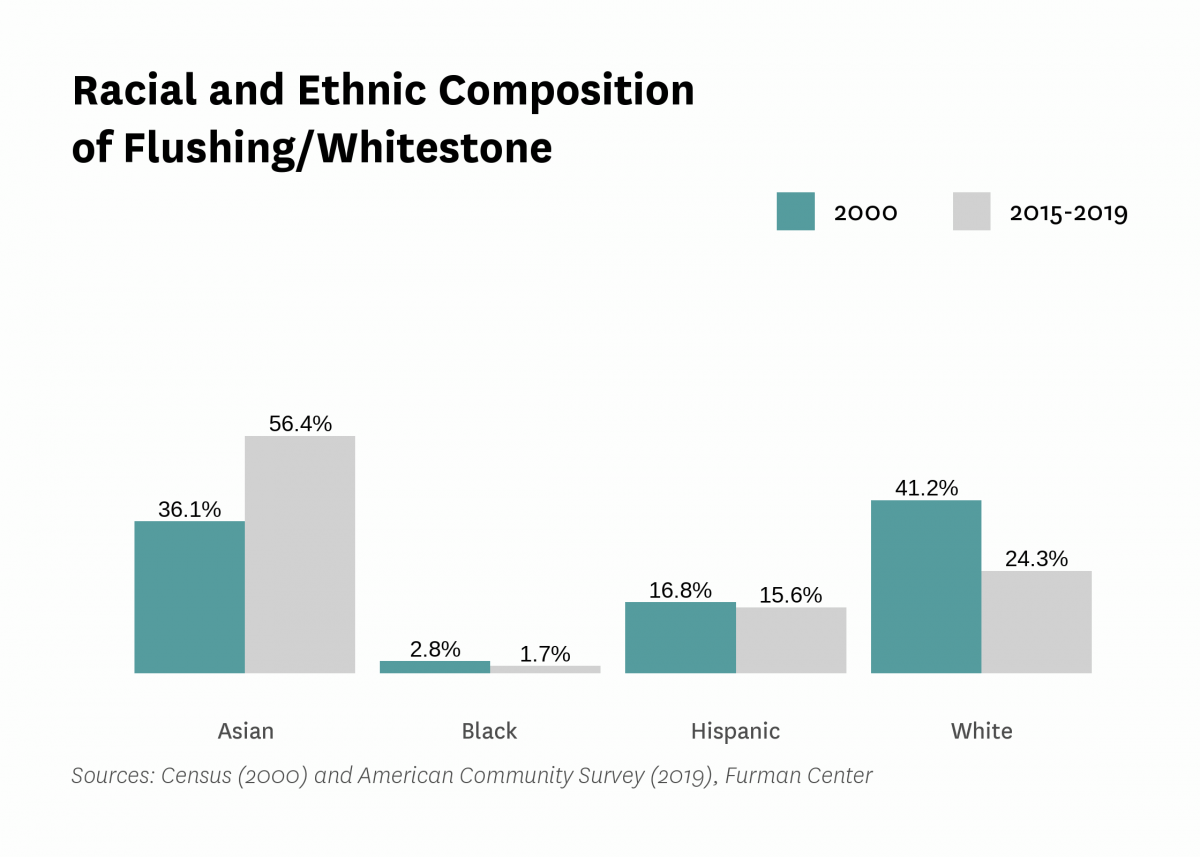
New York Neighborhood Data Profiles
furmancenter.org
The NYU Furman Center
The NYU Furman Center's New York City Neighborhood Data Profiles supplement the State of New York City’s Housing and Neighborhoods report. Additional city, borough, and historical data can be found on CoreData.nyc.
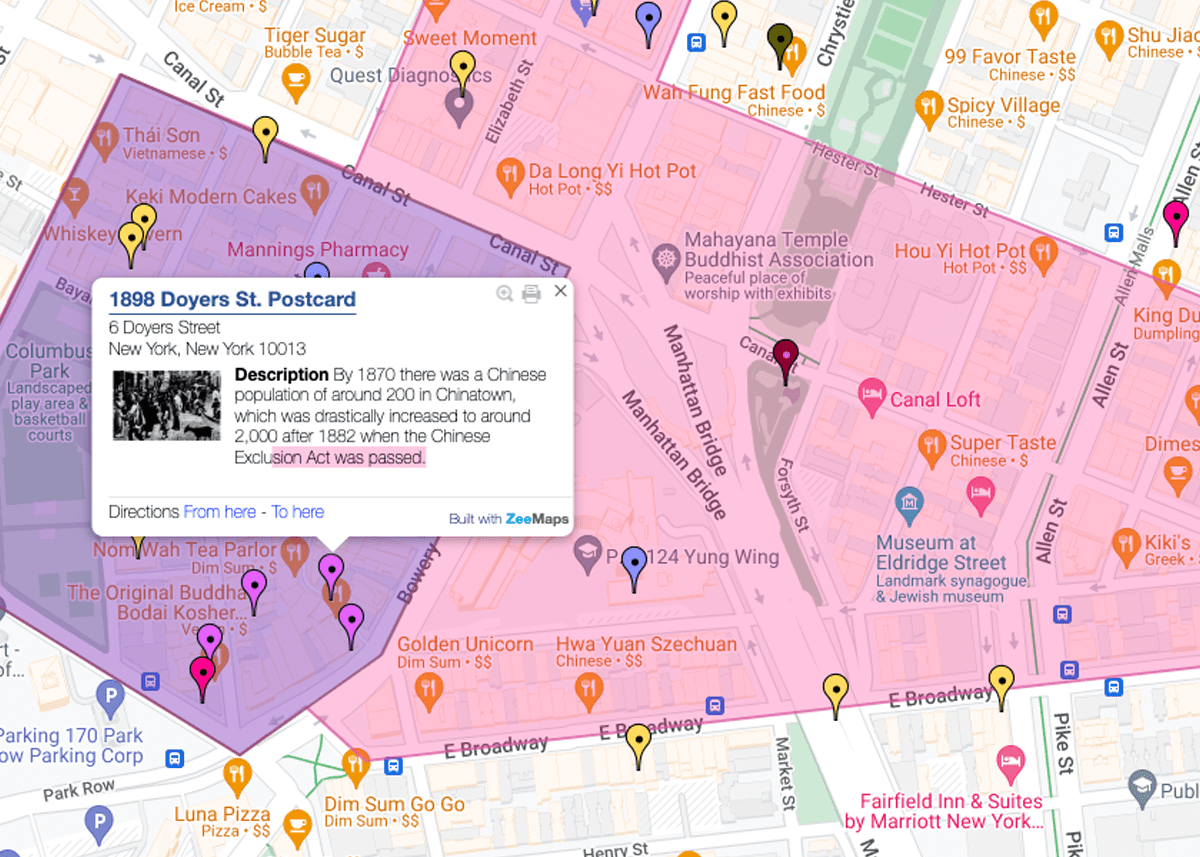
Movement / Spread of Chinatowns
Interactive map created by Nastassja Rebecca Victoria Gerlich (in ZeeMap).
The Asian Population in Queens

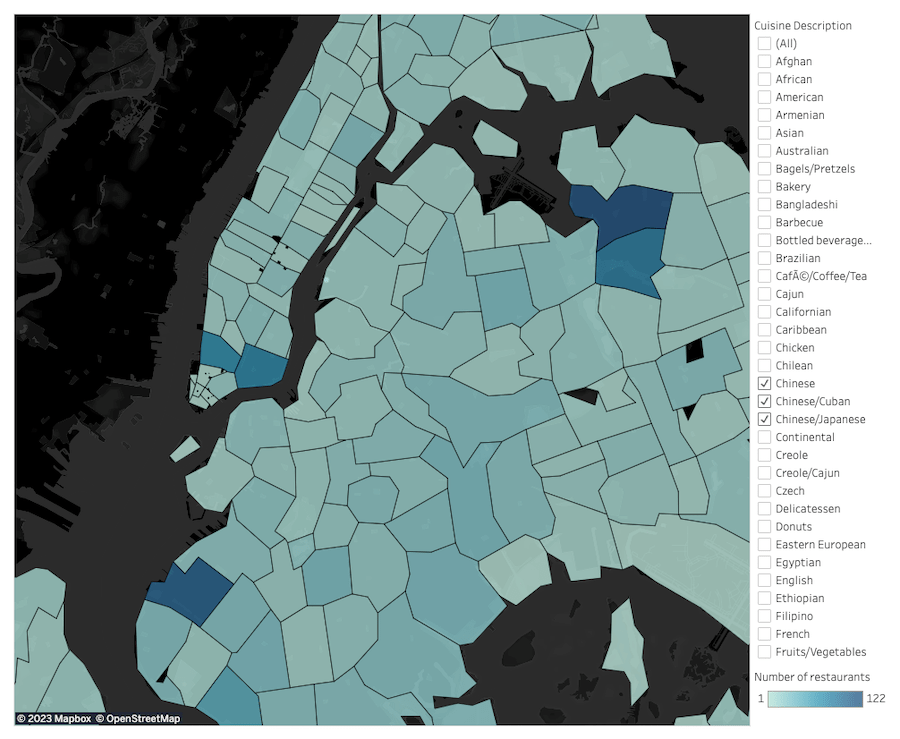
NYC Restaurant Immigrant Data
Project by Sarah Sun